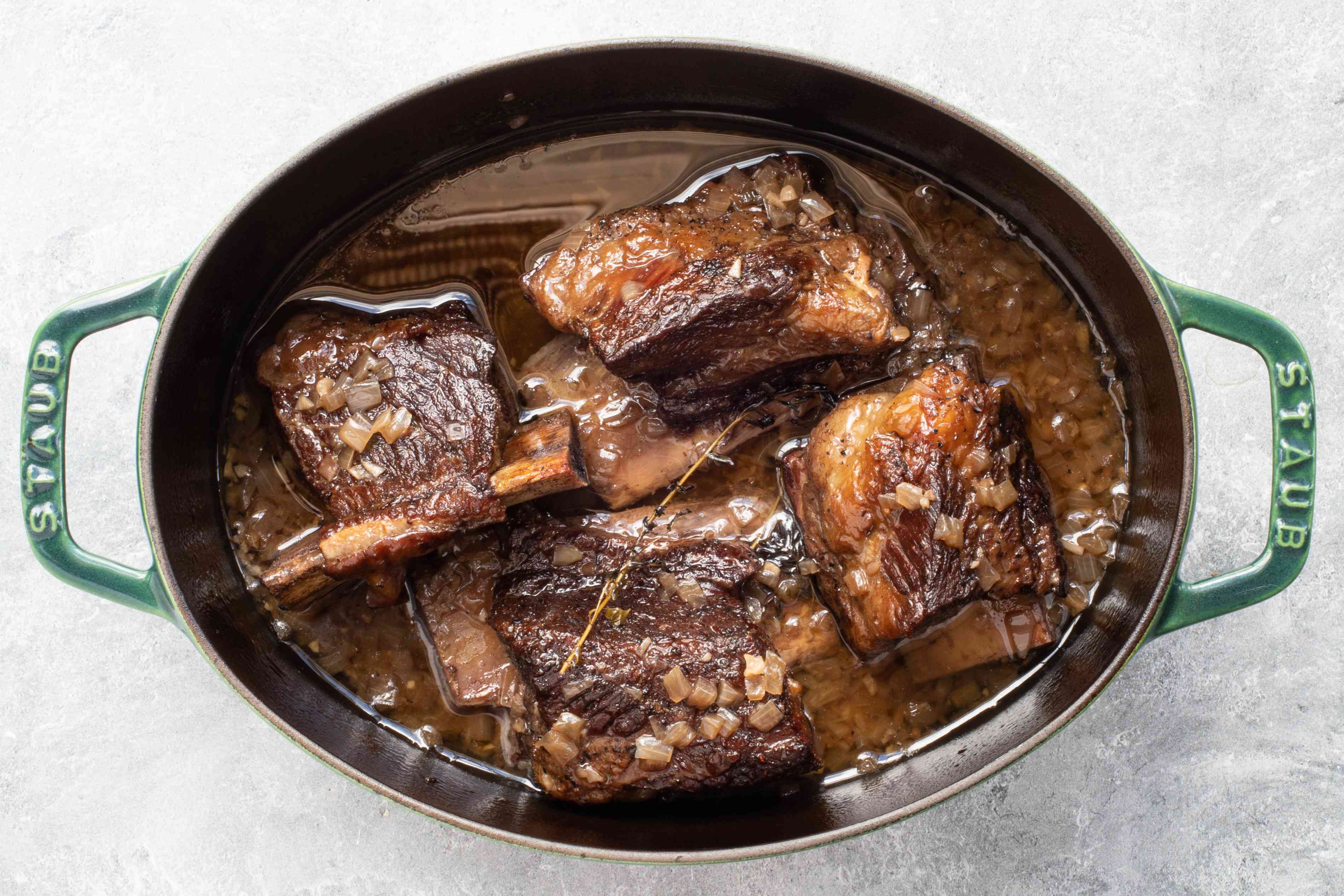
Achieve Fall-Off-the-Bone Baked Beef Short Ribs: Low & Slow Secrets
There's a particular magic that unfurls in your kitchen when
baked beef short ribs are on the menu. A rich, savory aroma begins to waft from the oven, promising a meal of unparalleled comfort and indulgence. Unlike other cuts of meat that demand quick searing or precise timing, short ribs are a testament to patience – transforming from a sturdy, somewhat humble cut into a tender, succulent masterpiece that practically dissolves at the touch of a fork. This isn't just dinner; it's an experience, a soulful process that yields results so decadent, your family and guests will swear you spent all day laboring over a hot stove, when in reality, the oven did most of the work for you.
The secret to this incredible transformation lies in a time-honored technique: the "low and slow" approach. This method isn't merely about cooking; it's about coaxing every ounce of flavor and tenderness from the meat, allowing the connective tissues to break down into unctuous gelatin, resulting in that coveted fall-off-the-bone texture. While some recipes promise quick results, true melt-in-your-mouth tenderness, particularly with
baked beef short ribs, is a journey worth taking.
Understanding Beef Short Ribs: A Cut Above
Before we delve into the cooking process, let's get acquainted with our star ingredient. Beef short ribs are a distinctively meaty and flavorful cut, sourced from the lower section of the beef rib cage, specifically from the chuck section. They get their "short" designation not from a lack of length on the bone itself, but because they are cut shorter than the longer, leaner traditional rib sections often found on a whole rack. The robust marbling and inherent connective tissue within short ribs are precisely what make them ideal for low and slow cooking, as these elements render down beautifully, infusing the meat with incredible richness and moisture.
There are primarily two styles in which beef short ribs are cut, each suited for different culinary applications, but one stands out for our fall-off-the-bone objective:
*
English Cut: This style involves cutting the ribs *between* the bones, resulting in thick, meaty chunks, each typically containing a single bone running through its center. These substantial pieces are perfect for braising and slow cooking, as their thickness allows for extended cooking times that break down tough fibers without drying out the meat. This is the preferred cut for achieving that truly tender, falling-apart result.
*
Flanken Style: In contrast, Flanken-style ribs are cut *across* the bones into thinner strips, so each piece contains several small cross-sections of bone. This cut is popular in Korean barbecue (Galbi) and is excellent for grilling or quick braising, but it won't yield the same deep, melt-away tenderness that English-cut ribs offer when slow-baked.
For our quest to achieve truly tender
baked beef short ribs, the English cut is undeniably superior, providing the substantial meat necessary for a rich, slow-cooked feast.
The Magic of Low & Slow: Why Patience Pays Off
The "low and slow" method is the cornerstone of exceptional
baked beef short ribs. This isn't just a catchy phrase; it's a scientific principle applied to cooking. Beef short ribs are rich in collagen, a tough connective tissue that gives raw meat its structure. When cooked at lower temperatures (typically between 275°F and 325°F) for extended periods (often 2.5 to 4 hours or more), this collagen slowly breaks down and transforms into gelatin. This gelatin melts into the meat, creating an unbelievably moist, succulent, and tender texture that truly "falls off the bone."
Here's why this approach is non-negotiable for perfection:
*
Collagen Transformation: High heat would simply toughen the collagen and squeeze out moisture, leaving you with dry, chewy ribs. Low heat, however, gives the collagen ample time to melt and lubricate the muscle fibers from within.
*
Even Cooking: Lower temperatures ensure the ribs cook more evenly from edge to center, preventing the exterior from drying out or burning before the interior is fully tender.
*
Flavor Development: The extended cooking time allows flavors from your rub, aromatics, and braising liquid to deeply penetrate the meat, creating a more profound and complex taste profile. The process of braising, where the ribs cook partially submerged in liquid and their own rendered juices, is crucial for maintaining moisture and intensifying flavor.
By embracing this patient method, you're not just cooking; you're orchestrating a culinary metamorphosis that rewards every minute spent waiting with an unparalleled dining experience. For more in-depth techniques on mastering this method, you might find our guide on
Soulful Baked Beef Short Ribs: Master the Low & Slow Method particularly helpful.
Crafting Unforgettable Flavor: Rubs, Sauces & Aromatics
The journey to incredible
baked beef short ribs isn't just about technique; it's also about building layers of irresistible flavor. Each component – from the initial dry rub to the final glossy sauce – plays a vital role.
The Dry Rub: Your Flavor Foundation
A flavorful dry rub is the first crucial step. It adheres directly to the meat, creating a savory crust and infusing it with deep, aromatic notes. A balanced rub typically includes:
- Salt and Pepper: Always the foundation. Use a good quality coarse salt and freshly ground black pepper.
- Sweetness: Brown sugar or turbinado sugar helps with caramelization and balances savory notes.
- Savory/Umami: Garlic powder, onion powder, paprika (smoked or sweet), chili powder, and even a touch of mustard powder contribute depth.
- Warmth/Spice: Cumin, coriander, a pinch of cayenne, or a dash of smoked paprika add warmth and subtle heat.
Don't be afraid to experiment, but aim for a harmonious blend that complements the richness of the beef. Apply generously, ensuring all surfaces of the ribs are coated, then allow it to sit for at least 30 minutes, or even overnight in the refrigerator for deeper penetration.
Braising Liquid & Aromatics: The Heart of the Flavor
While the ribs cook "in their own juices," enhancing these juices with a carefully chosen braising liquid and aromatics takes the flavor profile to another level. This liquid not only keeps the meat incredibly moist but also becomes a rich, concentrated sauce.
- Liquid Base: Beef broth, red wine, or even dark beer are excellent choices. A combination often works best.
- Umami Boosters: A splash of Worcestershire sauce is a secret weapon, adding a profound depth of savory, tangy notes without overwhelming the dish. Tomato paste, seared into the pan before adding liquid, also contributes rich umami.
- Fresh Herbs: Rosemary and thyme are classic pairings with beef. A few sprigs tucked into the braising liquid will perfume the entire dish beautifully.
- Aromatics: Sliced onions, carrots, and celery (the holy trinity of mirepoix) add a foundational sweetness and complexity. Garlic cloves, smashed or minced, are also essential.
The Sticky Finish: BBQ Sauce & Broiling
Near the end of cooking, when the ribs are already wonderfully tender, it's time to add that final, glossy flourish. Uncovering the ribs and brushing them with your favorite barbecue sauce, then allowing them to broil for a few minutes, achieves a beautiful sticky, caramelized crust. This step adds a sweet-tangy counterpoint to the savory ribs and visually signals their deliciousness.
Step-by-Step Guide to Fall-Off-the-Bone Perfection
Creating these magnificent
baked beef short ribs is more about smart layering and patient execution than it is about complex techniques. Follow these steps for consistently exceptional results:
1.
Prep the Ribs: Pat your English-cut beef short ribs dry with paper towels. This helps the rub adhere and promotes a better sear if you choose to brown them beforehand (an optional but recommended step for extra flavor).
2.
Apply the Rub: Generously coat the ribs on all sides with your chosen dry rub. For best results, let them rest for at least 30 minutes at room temperature, or covered in the refrigerator for several hours or overnight.
3.
Sear (Optional but Recommended): In a heavy-bottomed pot or Dutch oven, sear the ribs over medium-high heat until nicely browned on all sides. This creates a deeply flavorful crust. Remove ribs and set aside.
4.
Sauté Aromatics: In the same pot, add a little oil if needed, then sauté chopped onions, carrots, and celery until softened. Add minced garlic and cook for another minute until fragrant. If using, stir in tomato paste and cook for a minute.
5.
Deglaze & Add Liquid: Pour in red wine (if using) and scrape up any browned bits from the bottom of the pot. Let it simmer for a few minutes to reduce slightly, then add beef broth and Worcestershire sauce. Bring the liquid to a gentle simmer.
6.
Arrange for Baking: Place the seared ribs back into the pot, ensuring they are partially submerged in the liquid. If using a baking dish, place the ribs on a wire rack *within* the baking dish to allow rendered fat to drip away, preventing the ribs from stewing directly in it. Pour the braising liquid around the ribs, ensuring some liquid is in the bottom of the dish for moisture. Add fresh herbs.
7.
Low & Slow Bake: Cover the baking dish or Dutch oven tightly with a lid or foil. Bake in a preheated oven at 275-325°F (135-160°C) for 2.5 to 4 hours, or until the meat is incredibly tender and easily pulls away from the bone. The exact time will depend on your oven and the thickness of the ribs.
8.
The Glossy Finish: Once the ribs are tender, remove the lid or foil. Brush them generously with your favorite BBQ sauce. Increase the oven temperature to broiler setting (or 400°F/200°C convection) and broil for 5-10 minutes, watching carefully, until the sauce is caramelized and bubbly.
9.
Rest and Serve: Remove the ribs from the oven and let them rest for 10-15 minutes. This allows the juices to redistribute, ensuring maximum tenderness and flavor.
10.
Serving Suggestions: The rich, luscious sauce created in the pot can be strained and served alongside the ribs. These ribs are phenomenal served over creamy garlic mashed potatoes, polenta, or even a rich risotto, allowing the flavorful sauce to soak into every bite. For quick and satisfying results, check out our guide on
Easy Baked Beef Short Ribs: Simple Steps for Decadent Flavor.
Conclusion
There's an undeniable allure to a plate of perfectly cooked
baked beef short ribs. They embody comfort, luxury, and the simple joy of a truly delicious meal. While they ask for patience, the active cooking time is surprisingly minimal, making them an ideal choice for impressive entertaining or a deeply satisfying weeknight dinner. Once you experience that first melt-in-your-mouth bite, savoring the rich, tender meat that effortlessly falls from the bone, we have a feeling these succulent ribs will find a permanent, beloved home in your culinary repertoire. Embrace the low and slow method, and prepare to be amazed by the depth of flavor and tenderness you can achieve right in your own kitchen.