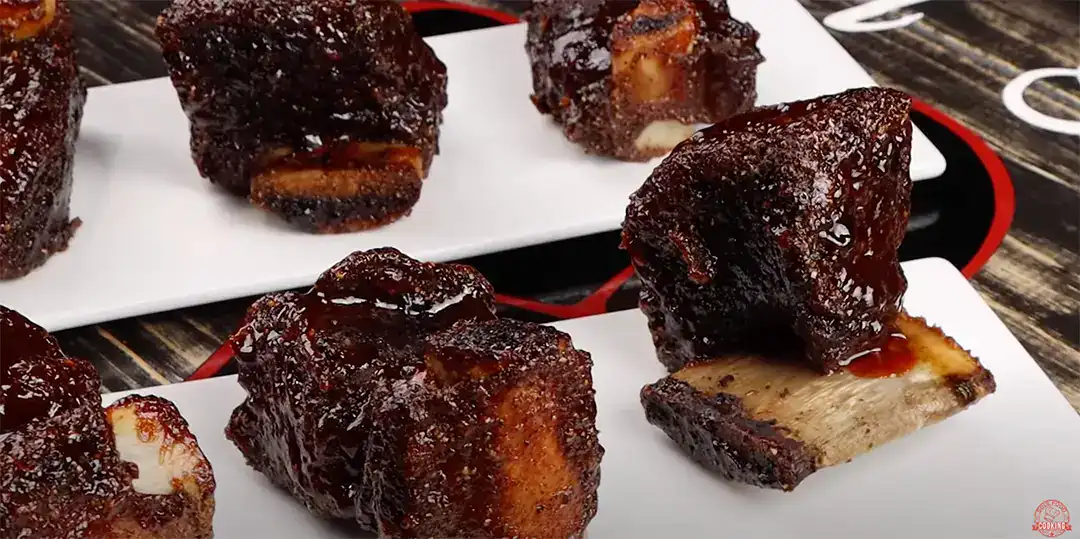
Soulful Baked Beef Short Ribs: Master the Low & Slow Method
There are few dishes that evoke a sense of warmth, comfort, and culinary grandeur quite like baked beef short ribs. They are the epitome of comfort food, a testament to the magic that happens when patience meets quality ingredients. Far from being a complicated affair, mastering these magnificent ribs is surprisingly straightforward, relying on one fundamental principle: the low and slow cooking method. Once you experience their melt-in-your-mouth tenderness and rich, savory flavor, these soulful ribs are destined to become a cherished favorite in your kitchen.
The Allure of Beef Short Ribs: A Culinary Deep Dive
What exactly makes beef short ribs so special? Unlike leaner cuts, short ribs are inherently rich and flavorful, boasting a generous marbling of fat and connective tissue that, when cooked properly, transforms into pure decadence. This unique composition is what allows them to achieve that coveted fall-off-the-bone texture and deep, satisfying taste.
Understanding the Cut: English vs. Flanken Style
Beef short ribs originate from the lower section of the rib cage, specifically the chuck section, near the breastbone. They're called "short" simply because they are cut shorter than the full-length traditional rib sections. When selecting your ribs for baking, you'll typically encounter two main styles:
- English Cut: This is the preferred style for braising and slow baking. The ribs are cut between the bones, resulting in thick, meaty chunks with a single bone running through each piece. This cut allows for maximum meat-to-bone ratio and excellent flavor development during long cooking times.
- Flanken Style: In this style, the ribs are cut across the bones into thin strips, so each piece contains a few small cross-sections of bone. Flanken ribs are commonly used in Asian cuisine, especially for grilling, due to their quicker cooking time. However, for truly tender, braised baked beef short ribs, the English cut is superior.
Choosing English cut baked beef short ribs sets the stage for an unparalleled culinary experience, offering substantial meat that can soak up flavors and achieve incredible tenderness.
Unlocking Unforgettable Flavor: The Low & Slow Secret
The true magic behind achieving incredibly tender and flavorful baked beef short ribs lies in the "low and slow" approach. This isn't just a catchy phrase; it's a scientific principle that transforms a tough cut into a succulent masterpiece. By allowing the ribs to cook gently over several hours, the connective tissues (collagen) slowly break down into rich gelatin, rendering the meat incredibly tender and juicy. The fat also slowly renders, infusing the meat with even more flavor.
The Core Components of Success: More Than Just Heat
Achieving soulful, fall-off-the-bone short ribs involves a few critical steps:
- The Flavorful Dry Rub: Before they even hit the oven, your ribs need a robust flavor foundation. A well-balanced dry rub typically includes a blend of savory notes (garlic powder, onion powder, paprika, black pepper), a touch of sweetness (brown sugar), and salt. Don't be afraid to experiment with smoked paprika, chili powder, or even a hint of cayenne for a subtle kick. Liberally apply the rub to all sides of the ribs, ensuring every crevice is coated. This initial seasoning penetrates the meat, building a deep flavor profile.
- Building the Braising Environment: The beauty of baked beef short ribs is how they braise in their own juices, often enhanced by additional liquids and aromatics. A heavy-bottomed Dutch oven or a deep baking dish with a tight-fitting lid is ideal. You can begin by searing the ribs on all sides in a hot pan before transferring them to the baking dish – this crucial step develops a rich, caramelized crust (the Maillard reaction) that adds incredible depth of flavor.
- The Braising Liquid & Aromatics: This is where much of the "soul" of the dish develops. Beyond the meat's natural juices, introduce a liquid base. Beef broth is a standard, but consider additions like dry red wine, a splash of balsamic vinegar, or even a dash of Worcestershire sauce, as suggested by classic recipes, to broaden the flavor depth. Don't forget fresh aromatics like sliced onions, carrots, celery, and garlic, along with herbs such as fresh rosemary and thyme. These ingredients create a fragrant, savory steam bath that tenderizes the ribs and infuses them with complex flavors.
- The Perfect Temperature and Time: Set your oven to a consistently low temperature, typically between 300°F and 325°F (150°C to 160°C). This gentle heat ensures that the collagen breaks down slowly and evenly. Expect your baked beef short ribs to cook for at least 2.5 to 4 hours, or even longer, depending on their thickness. The goal is not just tenderness, but a profound transformation where the meat practically surrenders at the sight of a fork. For a deeper dive into achieving that perfect melt-in-your-mouth texture, explore our guide on Achieve Fall-Off-the-Bone Baked Beef Short Ribs: Low & Slow Secrets.
Crafting the Perfect Finish: From Oven to Table
While the low and slow cooking method does the heavy lifting, the final touches elevate your baked beef short ribs from merely delicious to utterly irresistible.
The Art of the Glaze
Near the end of the cooking process, it's time to introduce that irresistible sticky finish. This is often achieved by:
- Uncovering the Ribs: Remove the lid from your baking dish to allow some of the liquid to evaporate and the surface of the ribs to caramelize slightly.
- Applying Your Favorite Sauce: Brush your preferred barbecue sauce generously over the ribs. A sweet-tangy sauce is a popular choice, praised for its bold flavor and versatility. You can also reduce some of the braising liquid separately to create a rich, savory sauce to spoon over the finished ribs.
- A Quick Broil: For an extra glossy, slightly caramelized crust, pop the uncovered, sauced ribs under the broiler for a few minutes. Keep a close eye on them to prevent burning – the sugars in the sauce can caramelize quickly.
The Essential Resting Period
Once removed from the oven, resist the urge to immediately carve into your magnificent baked beef short ribs. Allow them to rest, tented loosely with foil, for at least 10-15 minutes. This crucial step allows the juices within the meat to redistribute, ensuring every bite is as succulent and tender as possible.
Serving Suggestions for Your Soulful Ribs
These decadent ribs deserve to be the centerpiece of a memorable meal. They pair beautifully with a variety of side dishes that can soak up their rich pan juices:
- Creamy garlic mashed potatoes (a classic pairing!)
- Soft polenta or grits
- Cheesy risotto
- Steamed green beans or roasted asparagus
- A simple green salad to cut through the richness
- Crusty bread for dipping into the flavorful sauce
Whether you're hosting a grand family gathering or seeking a comforting dinner to anchor a quiet weeknight, these ribs are your reliable favorite. If you're looking for an even more streamlined approach without compromising on decadence, our Easy Baked Beef Short Ribs: Simple Steps for Decadent Flavor article offers fantastic solutions.
Conclusion: The Ultimate Comfort Food
Baked beef short ribs are more than just a meal; they're an experience. They are proof that some of the most impressive and comforting dishes are also among the most straightforward to prepare, requiring little active time but rewarding patience with unparalleled flavor. By embracing the "low and slow" method, understanding the cut, and building layers of flavor, you can consistently achieve ribs that are juicy, tender, and truly fall-off-the-bone delicious. Once you savor that first melt-in-your-mouth bite, these soulful short ribs are sure to find a permanent, beloved home in your culinary repertoire.
